Yohji Yamamoto
Legend of the game, Yohji Yamamoto.
Yamamoto graduated from Keio University before deciding the life of ordinary society wasn’t for him. His mother - a dressmaker owning a shop in Kabukicho (Tokyo), presented an alternative life; a life in fashion.
Using this as inspiration, he studied and graduated from Bunka Fashion College in Tokyo in the late 1960s, and by 1981 he was standing alongside Kawakubo (Comme des Garçons) on the Paris runway presenting collections that shared a similar darkness but carried an entirely different emotional register. Where Kawakubo is confrontational, Yamamoto is melancholic.
His clothes mourn something.
They also protect.
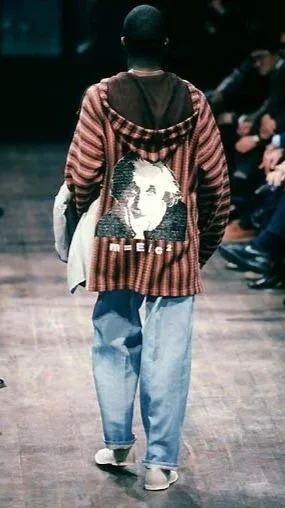
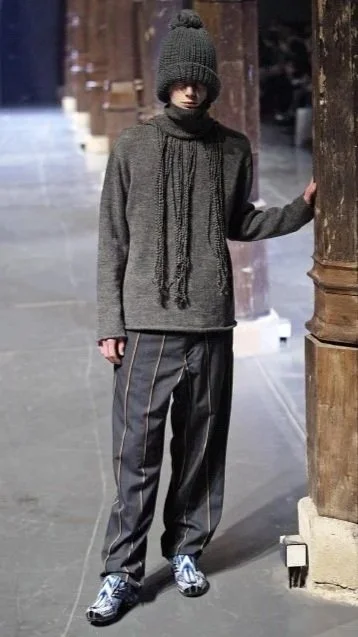
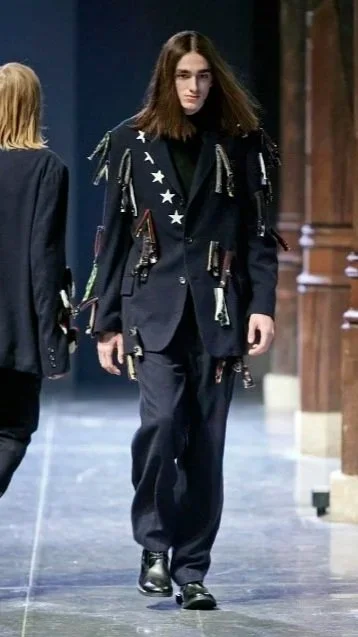
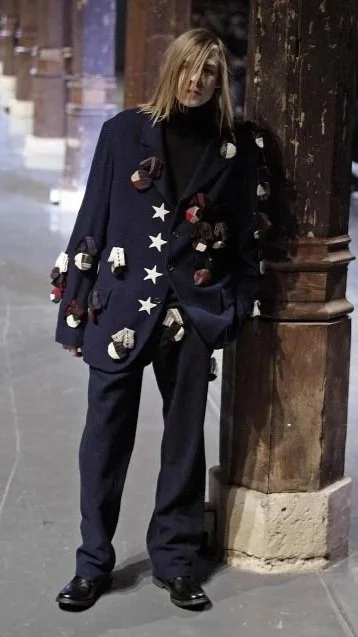
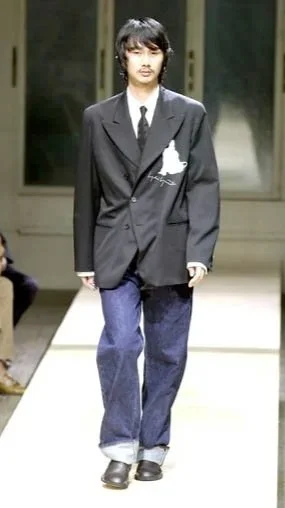
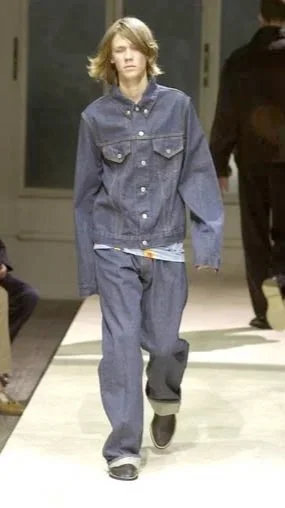
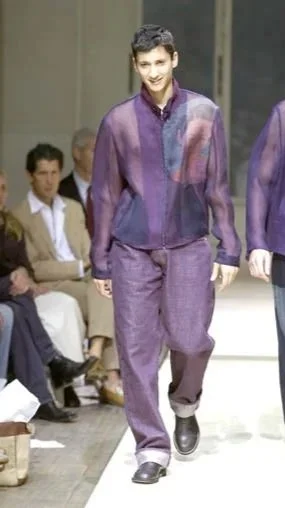
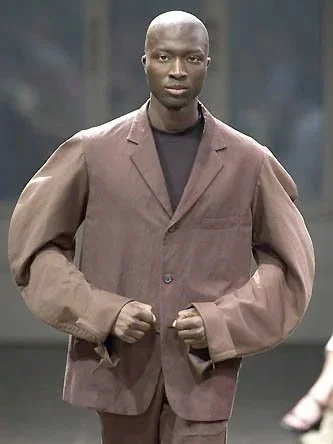
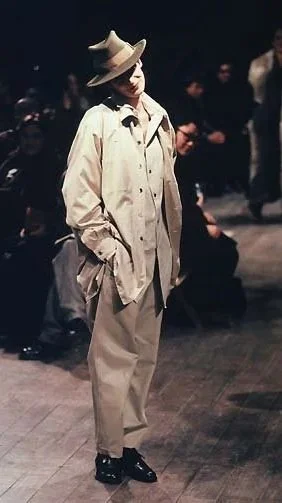
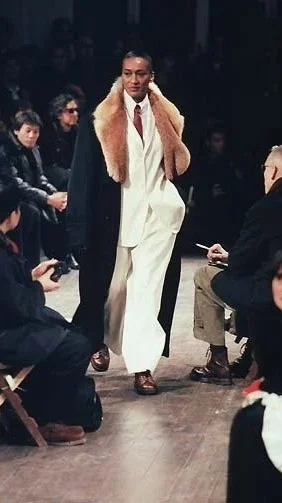
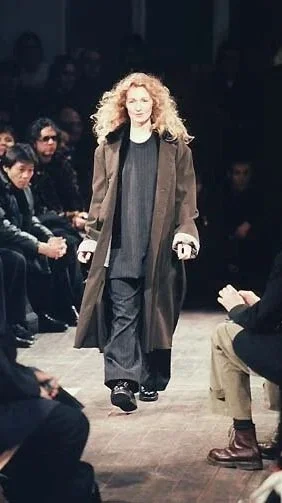
Yohji’s work is deep and broody in nature, referencing Kafka, the blues, the weight of post-war Japan, all whilst remaining deeply personal. He has spoken at length about dressing for women first, believing menswear only becomes interesting when it borrows from the feminine. Oversized cuts, architectural tailoring, and a whole lot of black… this is Yohji Yamamoto from afar. Closer inspection reveals another layers of craft and intentionality, extraordinary construction: raw edges, linings equal in beauty to the exterior; details only the wearer will ever know exist. After one buys their first piece, there’s certainly no going back…
Yohji Yamamoto Pour Homme is the mainline menswear, produced seasonally with a significant investment in craft and fabric. Y's emerged in 1972 as a more accessible diffusion line, offering the quieter, cleaner aspects of Yohji's aesthetic at a softer price point — relaxed silhouettes, natural fibres, understated elegance. S'YTE is the most contemporary and trend-adjacent of the lines, with a younger audience in mind. Y-3 — a long-running collaboration with Adidas — translates the Yohji sensibility into sportswear, and carries its own devoted following.
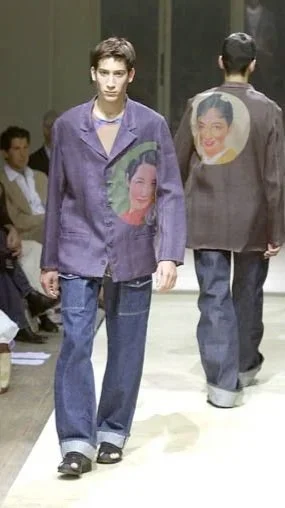
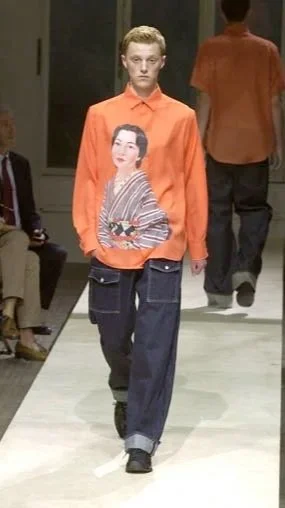
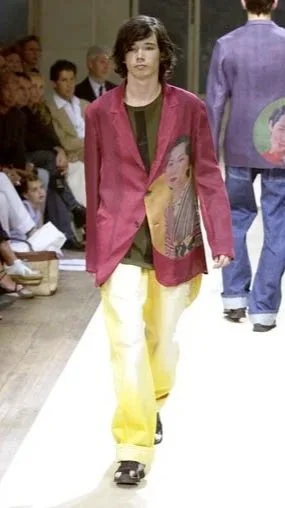
The SS02 collection is widely regarded as one of his best - the introduction of a more graphical and experimental side to Yohji’s work, drawing on Western pin-up imagery yet shifting the narrative to focus on female empowerment. Gender lines are often blurred in his work, feminizing the male whilst masculinizing the female, key example being FW98 where female models took to the Pour Homme runway show sporting the menswear silhouettes, oversized and drapey fits providing a topic of conversation for those times.